Introducing the future, where everything you finally figured out has just changed.
Your audience has always been a moving target, but now it may not even be human. AI is driving consumer sales, businesses, and a stock market boom like never seen in history. If you are struggling just to keep up, you’re not alone. But companies that fall behind will be left behind. Below are some of the changes to the marketing ecosystem this past year.
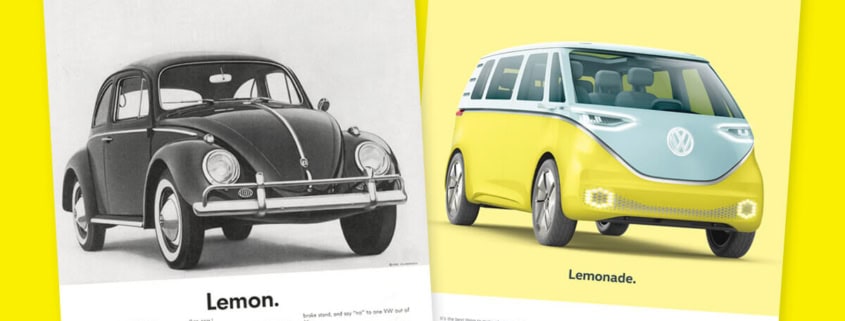
Authentic Content Grew in Importance. This began with Google’s dramatic change over two years ago. It prioritized the most authoritative source for a user’s search query. This reenergized battle-tested marketing strategies pioneered by advertising icons like Young & Rubicam. Brands relied more on real people, including reviews, photos, and customer videos, which became trusted content. Micro-influencers with engaged audiences outperformed big-name influencers. Authentic voices helped build trust — the advertising revolution of the 1960s.
AI became core to practically every part of digital marketing — no longer just a nice-to-have. The tools are widely used to create content, optimize ads, and automate campaigns. It added the ability of personalization at scale — tailoring websites, emails, and campaigns to individual behaviors in real time. It also spawned a brand-sameness.
Hyper-personalization became the new normal. Generic messages lost effectiveness in 2025 — customers expect brands to tailor experiences for each one of them. This has become a key competitive advantage, increasing engagement and conversions, but comes with a steep learning curve as much of the technology is new.
Search marketing changed irrevocably in 2025. It is now voice, visual & AI-driven. SEO shifted from keyword-focused tactics to intent, conversational queries, and content quality because AI can now summarize information at the query level, requiring new optimization techniques. SEO is now obsolete. Generative Engine Optimization (GEO), is a still-evolving marketing and SEO science focused on making your brand and content appear in answers generated by AI search engines. If you don’t understand this technology, digital campaigns will fail.
Privacy-first data strategies became central. As third-party cookies faded and regulations tightened, first-party and zero-party data — data users willingly share in exchange for value — became a priority for valid analytics. Transparency and ethical data use became trust and loyalty builders. No marketer can now afford not to be a nerd.
Omnichannel experiences took center stage. Instead of siloed campaigns. Marketing strategies integrated email, social, search, website, personalization, and offline touchpoints. Customers now expect to experience consistent messaging regardless of how or where they interact with brands. This integration is a company’s strategic brand message, and missteps can be costly in money and lost business.
Analytics & ROI tracking got smarter. Data measurement has evolved with AI so marketers now need to predict campaign performance and accurately attribute ROI across channels. New tools provide deeper insights into customer journeys and which touchpoints drive conversions if you know how to use them.
This presents a moment of opportunity to become an architect of modern business growth. To do this, you need a partner who helps you connect authentic storytelling with hard data, breakout technology with a lower cost, and has a more extensive skillset than your competitors. We make creativity accountable by integrating leading-edge strategy, data, and digital execution in ways that build confidence and demonstrate effectiveness to strengthen your role as a business driver.
 © 2026
 © 2026
 © 2026
 © 2026
 © 2026
 © 2026
 © 2026
 © 2026
 © 2026